
The proposition needs a clear use case, architecture and form before detailed engineering can proceed efficiently.
Product Definition and Industrial Design
Physical products defined around their users, technical architecture, interaction, manufacturing process and the environment in which they must work.
Where this becomes useful
When a technically possible product still needs to become a coherent one.
Controls, indicators, access, assembly, service and visual coherence have not yet become one deliberate experience.
Weight, reach, posture, installation, maintenance and error prevention need to influence the architecture from the start.
Part strategy, surfaces, materials, tolerances and assembly logic must be developed without losing the intended product character.
What Zambeel can own
A product architecture people can understand, use and make.
Design can begin with a new proposition or with engineering that already works. The objective is a physical product whose purpose, behaviour and construction read as one considered whole.
Define the right product
Translate users, context, technical constraints and commercial intent into requirements, product architecture and explicit design priorities.
Make use and behaviour legible
Resolve form, controls, indicators, access and interaction so the product communicates what it is doing and supports the intended workflow.
Carry intent into manufacture
Develop surfaces, part boundaries, materials, tolerances and assembly logic with engineering and production processes in view.
Scope
Product definition from use case to manufacturing detail.
The work can support an early proposition, refine an existing prototype or continue through detailed design and manufacturing preparation.
Requirements and product architecture
The use case, system functions, physical arrangement and design priorities established before detail begins to harden.
Requirements and product architecture
The proposition is clearer than the product
Stakeholders agree on the desired outcome, but users, modes, interfaces, constraints and the physical system boundary remain uncertain.
Use cases, functions and tradeoffs
Stakeholder study, operating scenarios, requirement definition, product decomposition, interface mapping and architecture options.
A basis for design decisions
Requirements, product architecture, priority tradeoffs, interface definitions, design principles and a development brief.
Industrial and interaction design
Form, controls, feedback and visual character developed around the product’s purpose and technical construction.
Industrial and interaction design
Function exists without a coherent product experience
The hardware works, but form, parting, access, controls, indicators or visual hierarchy still feel improvised or disconnected.
Form, surfaces and interaction
Concept development, proportion and surfacing, control layout, status communication, colour and material direction, and physical mock-ups.
A resolved design direction
Concept rationale, form studies, interaction states, appearance models, visualisations and selected product direction.
Packaging design
Protective, presentation and transport packaging designed around the product, supply route and customer experience.
Packaging design
The pack must do more than contain the product
Protection, storage, shipping, presentation, installation sequence or repeated service handling affects product success and cost.
Pack architecture and material strategy
Protection requirements, inserts, cartons and cases, material and process selection, pack-out, labelling and supplier coordination.
A supplier-ready packaging definition
Structural concepts, dielines or CAD, material specifications, prototypes, packing instructions and verification requirements.
Ergonomics and human factors
Physical use, wear, access, installation and maintenance studied around real people and operating conditions.
Ergonomics and human factors
The product’s success depends on sustained human use
Weight, posture, reach, visibility, repetitive action, gloves, training level or error consequences must influence the physical design.
Observe tasks and test physical assumptions
Workflow study, anthropometric review, mock-ups, wear and reach trials, control placement, access studies and error-state analysis.
A design supported by use evidence
Task findings, ergonomic constraints, trial records, interface decisions and design changes traced to observed use.
CAD, visualisation and DFM
Detailed geometry, product visualisation and manufacturing logic developed together rather than handed over as separate activities.
CAD, visualisation and DFM
The selected direction must become buildable
Surfaces, internal packaging, part boundaries, tolerances and process constraints need to converge into controlled product data.
Detail with the manufacturing process in view
Parametric CAD, assemblies, surfacing, internal layouts, part strategy, tolerance development, drawings, renders and supplier DFM reviews.
A manufacturable product definition
Controlled models, drawings, visualisations, material and finish direction, assembly logic and documented DFM decisions.
Evidence in practice
Products shaped around people, context and the work they had to perform.
The evidence spans operator-facing industrial equipment, a retrofit safety system and field hardware designed for transport and tool-free assembly.
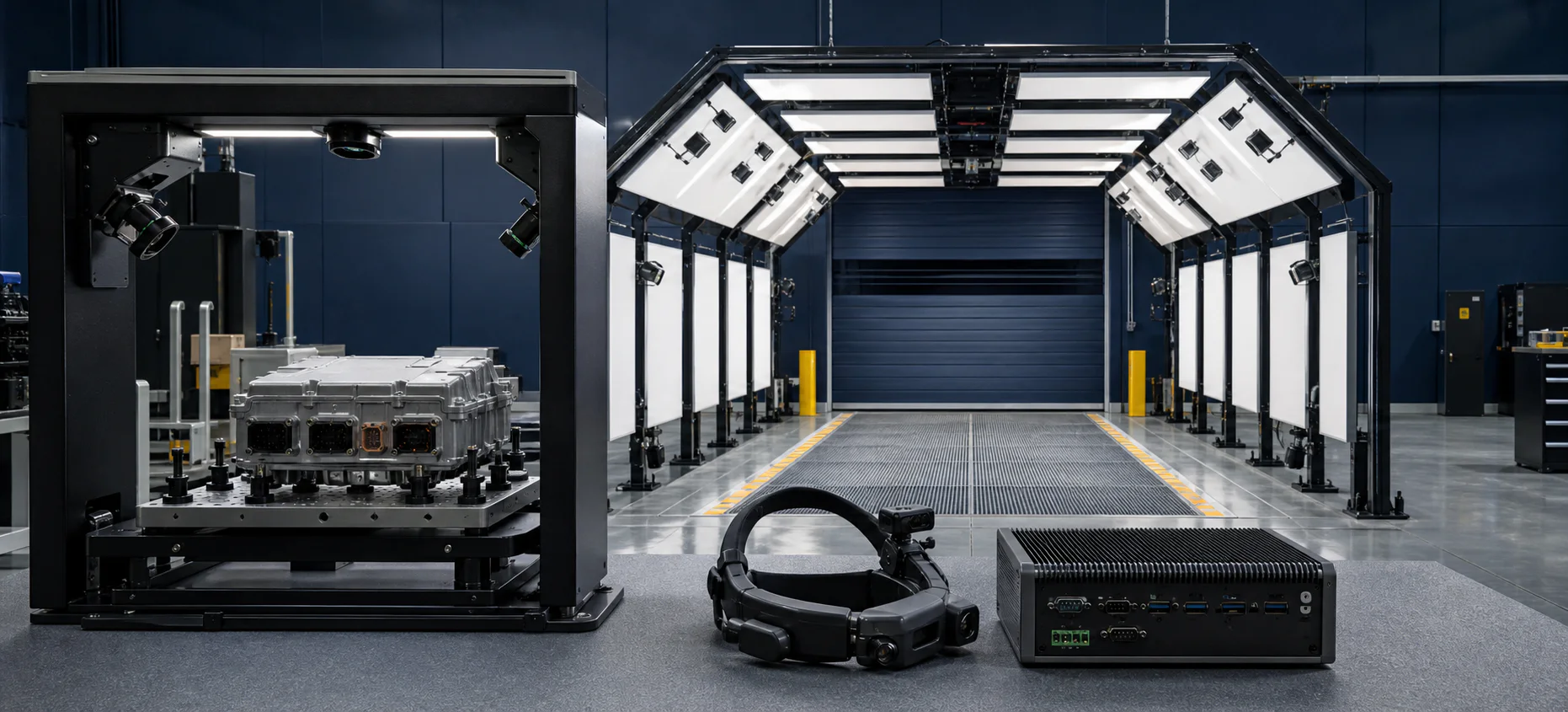
Interaction · Ergonomics · Product architecture
Industrial-vision hardware
A production terminal and wearable pilot were shaped around operator tasks and the needs of vision software.
Read case study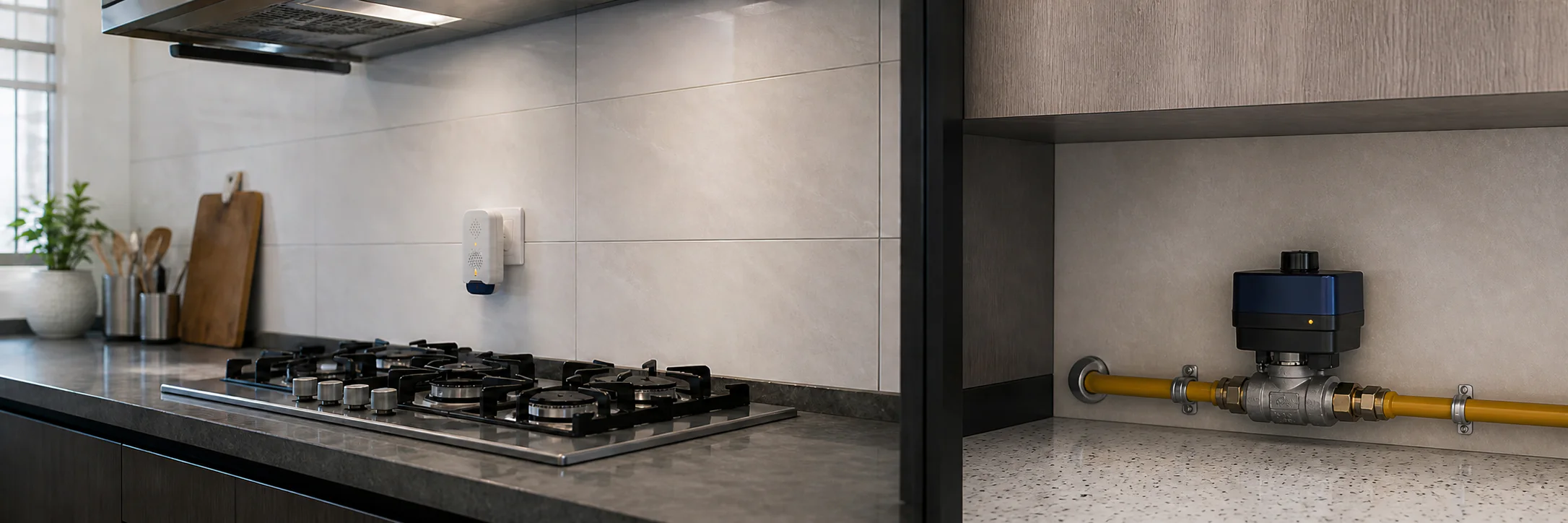
Retrofit use · Interaction · Architecture
GaSafe
Distributed safety nodes were designed around the layouts, routines and users of homes and commercial kitchens.
Read case study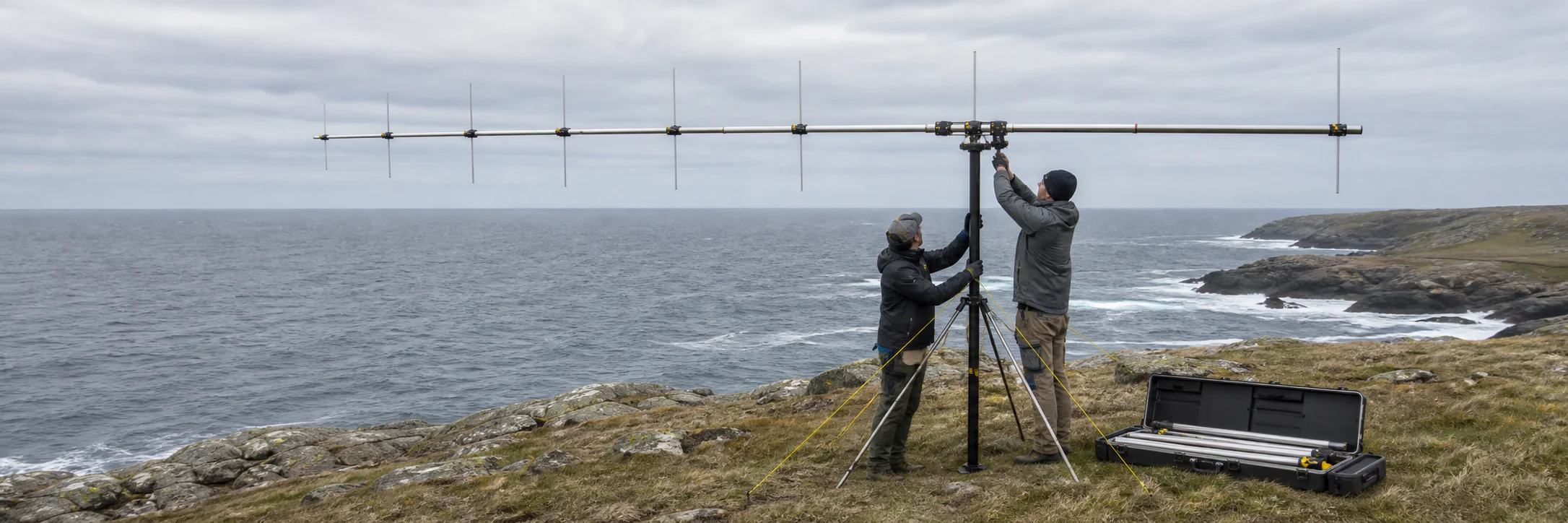
Field use · Assembly · Productisation
Coastal receiving antenna
A laboratory radiator became transportable field equipment that one person could assemble without tools.
Read case studyRelated capabilities
Product definition becomes stronger when engineering and validation remain close.
Discuss a requirement
Tell us what you need
Discuss a physical product that needs clearer definition.
Share the use case, the users and the technical or manufacturing constraints the product must reconcile.