
The physical system must give the software the right sensing, imaging, compute, communications and operator conditions.
Hardware Engineering and Systems Integration
Multidisciplinary engineering for physical products and equipment where mechanics, electronics, power, controls and the operating environment must work as one.
Where this becomes useful
When performance depends on the interfaces between disciplines.
Mechanical, electrical and embedded decisions are individually reasonable, but their interfaces carry the programme risk.
Power, heat, wiring, packaging, timing, fault behaviour or environmental conditions are preventing repeatable operation.
Zambeel can own defined workstreams or extend the client team while preserving one system architecture and evidence record.
What Zambeel can own
One coherent system, not a collection of specialist outputs.
The engagement can cover a complete physical system or defined workstreams within a client-led architecture. In both cases, interfaces and validation remain visible across disciplines.
Define the architecture
Translate the use case into system functions, interfaces, performance budgets, operating limits and responsibilities across hardware and software.
Develop in parallel
Coordinate mechanical, electrical and embedded work so packaging, power, heat, sensing, controls and manufacture evolve together.
Integrate and prove
Bring subsystems together through controlled builds, interface tests, fault investigation and evidence against the agreed requirement.
Scope
Engineering across the interfaces that determine system performance.
Individual workstreams can be commissioned separately or coordinated under one engineering direction when their interfaces carry the greater risk.
Mechanical and electromechanical design
Structures, mechanisms, enclosures and moving assemblies developed around load, environment, interaction and manufacture.
Mechanical and electromechanical design
The physical architecture determines performance
Loads, motion, alignment, wear, transport, installation or environmental exposure cannot be resolved by packaging components after selection.
Mechanisms, structures and physical interfaces
Architecture, material and process selection, CAD, tolerance work, structural and vibration studies, DFM and supplier coordination.
A buildable mechanical definition
Models, drawings, analyses, tolerance decisions, prototype records, manufacturing notes and verified interface dimensions.
PCB and electronics development
Purpose-built sensing, power, actuation and communications electronics developed for the product rather than treated as a bench assembly.
PCB and electronics development
Modules no longer meet the product requirement
Size, power, reliability, sensing quality, interfaces or supply continuity require electronics designed around the actual system.
Schematic through bring-up
Component selection, circuit design, PCB layout, design reviews, prototypes, bring-up, debugging and preparation for compliance testing.
A controlled electronics design
Schematics, layout files, BOMs, assembly information, bring-up records, measurements, revisions and known design limits.
Embedded firmware and controls
Firmware and control behaviour that connect sensors, decisions, actuators, communications and safe operating states.
Embedded firmware and controls
Physical behaviour depends on timing and state
The system must respond predictably to sensing, user commands, faults, power conditions or communication loss.
Drivers, logic and control methods
Firmware architecture, peripheral drivers, state machines, control algorithms, communications, diagnostics, calibration and update methods.
Testable system behaviour
Versioned firmware, interface definitions, test logs, calibration records, fault handling and traceability to operating requirements.
Thermal, optical and RF engineering
Applied engineering where heat, illumination, imaging or radio behaviour governs the useful performance of the product.
Thermal, optical and RF engineering
Performance is governed by physical fields
Temperature, beam shape, uniform illumination, sensor view or RF-mechanical interaction cannot be managed through component specifications alone.
Models supported by controlled experiments
Thermal paths and cooling, optical geometry and illumination, imaging conditions, antenna productisation and access to specialist laboratory work.
Measured operating envelopes
Calculations, simulations, instrumented tests, performance maps, design constraints and validated physical configurations.
Power and system integration
Power, batteries, wiring, compute, communications and subsystem interfaces assembled into a maintainable operating system.
Power and system integration
Subsystems work alone but fail together
Power budgets, grounding, connectors, heat, data interfaces, packaging or startup and shutdown behaviour are undermining reliability.
Resolve the interfaces deliberately
Power architecture, batteries and charging, harnesses, interface control, compute selection, communications, safety functions and integration builds.
An integrated and maintainable system
Architecture and wiring records, interface definitions, power budgets, integration results, fault records and system-level acceptance tests.
Evidence in practice
Systems whose performance depended on coordinated engineering.
The work spans extreme thermal and optical performance, low-power safety hardware and a mobile test bed built around instrumentation and field operation.
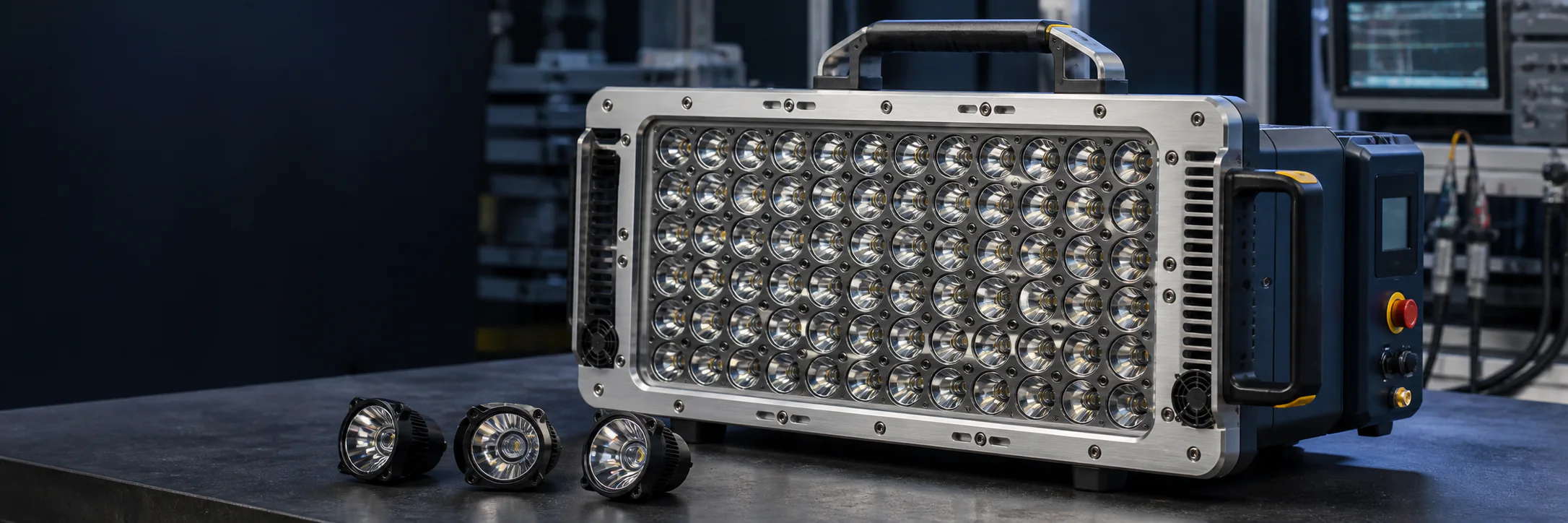
Optical · Thermal · Power
Portable Sun
A coupled lighting, cooling, energy and safety problem became a reliable event demonstrator.
Read case study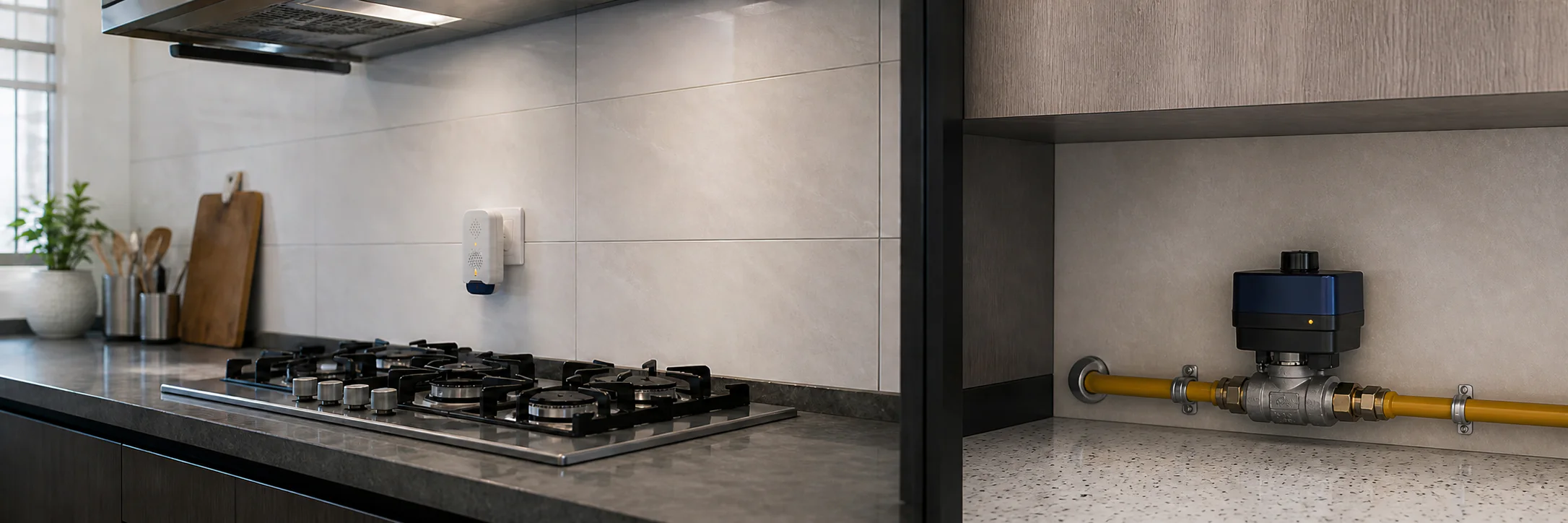
Electronics · Embedded · Wireless
GaSafe
Distributed sensing, low-power communication and fail-safe actuation were developed as one retrofit gas-safety system.
Read case study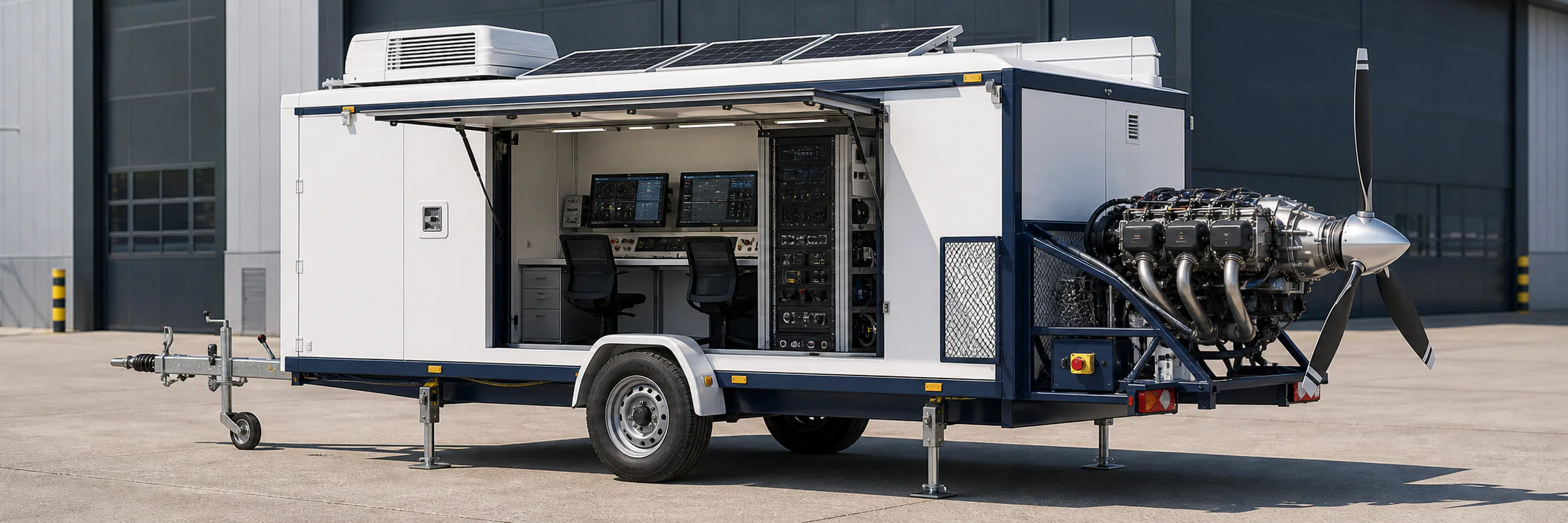
Mechanical · Electrical · Instrumentation
Mobile propulsion test bed
A self-contained mobile test bed integrated structural, electrical, environmental and measurement requirements.
Read case studyRelated capabilities
Engineering depth is strongest when the product and proof strategy are equally clear.
Discuss a requirement
Tell us what you need
Discuss a system whose interfaces must work together.
Share the physical system, its operating constraints and the engineering problem that needs to be resolved.